Viele Menschen sind gerne in ihrem Garten, denn dort erwartet sie Erholung und ein Blick ins Grüne – Freiheit! Jedoch ist zumindest die Erholung meist schnell wieder vorbei, wenn sie mit Erstaunen feststellen, dass der Rasen wieder gemäht werden muss, obwohl das letzte Mal Rasenmähen erst ein paar Tage her ist. Aber so ist das mit einem Garten, es fällt auch Arbeit an. Die kann aber manchmal ganz schön lästig sein, gerade das Rasenmähen. Weshalb aber niemand in dieser Situation gefangen ist und wie man sich Besserung verschaffen kann, darum geht es im Folgenden. So viel sei schon mal verraten, es geht um eineen Test, der verschiedene Geräte mit einer ganz speziellen Eigenschaft unter die Lupe nimmt.
1. Ein Mehrwert, der Erleichterung bringt
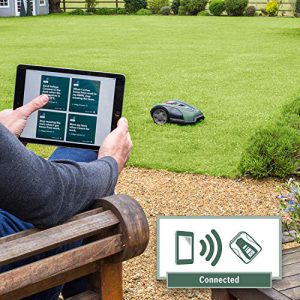 Es handelt sich um Mähroboter! Ja, genau diese Mähroboter, über die viele Menschen vor ein paar Jahren noch gespottet haben, die aber heutzutage nicht mehr wegzudenken vom Markt ist und das hat Gründe. Der Grund, der natürlich zuerst vor den Augen erscheint, weil er auf der Hand liegt, ist der Vorteil der Zeitersparnis. Während der Mähroboter den Rasen absolut eigenständig und automatisch wählt (er muss nur vor dem Mähen eingestellt werden), kann man selbst einer anderen Aktivität nachgehen. Zudem kann man auch Faktoren wie den Radius beim Mähen oder auch die Schnitthöhe des Grases miteinbeziehen.
Ein elementarer Punkt in dieser Hinsicht, der keineswegs vernachlässigt werden darf, ist der Punkt der Sicherheit. Es gilt, im Zweifelsfalls einen kleineren Mähradius und eine höhere Schnitthöhe zu wählen und auch darauf zu achten, dass der Mähroboter, den man gedenkt zu erwerben, auch jedes Hindernis erkennt, damit Kinder und Tiere sicher sind. Wenn diese Rahmenbedingungen passen, bringt so ein Mähroboter einen großen Mehrwehrt und viel Spaß und Freude mit. Dazu kommt, dass man ihn einfach online bestellen kann.
2. Der Mähroboter und ich
Unser Test zu den verschiedenen und dabei beliebtesten Mährobotern, die der Markt hergibt, hat gezeigt, dass es aufgrund der großen Diversität beim Angebot ganz stark darauf ankommt, dass der Mähroboter den eigenen Bedarf erfüllt und die Dinge erfüllt, die man sich wünscht. Von daher ist es natürlich trotzdem wichtig, zu schauen, wie ein jeweiliger Mähroboter abgeschnitten hat und wer insgesamt die Nase vorne hatte, aber die individuelle Nutzungsmöglichkeit sollte klar im Vordergrund stehen, da man ja auch selbst langfristig den Mähroboter mit einem möglichst guten Nutzen einsetzen möchte. Daher bietet es sich an, neben dem Test eine kleine Liste zu verfassen, auf der man die wichtigsten Eigenschaften vorab festhält, die man sich wünscht. So kann man nämlich ganz einfach die besten Geräte beim Test später mit der subjektiven Kriterienliste vorab vergleichen und feststellen, welcer Mähroboter am besten zu dir passt.
3. Die Mähroboter im Test – Verschiedene Marken, verschiedene Stärken
Der Markt an Mährobotern ist exponentiell steigend, gerade in den letzten fünf Jahren hat er eine rasante Entwicklung hingelegt. Wenig verwunderlich also, dass sich immer neue Modelle mitunter auch von gänzlich neuen Herstellern in der Mähroboterbranche auf dem Markt vorgedrängt haben und probieren, sich in diesem Haifischbecken zu behaupten. Aus diesen Gründen hat auch ein Preiskampf angefangen und gerade die Marktneulinge probieren, Verbraucher*innen mit Modellen zu Dumpingpreisen zu locken. Was im ersten Moment verlocken klingen mag, sollte jedoch klug überlegt sein, da gerade bei einem Mähroboter der Aspekt der Sicherheit der wichtig ist und das auch ein Eualitätsmerkmal ist und dies ist bei Dumpingmodellen ein Aspekt, der mitunter mangelhaft ausfällt.
Von daher gilt Obacht bei solchen Angeboten und im Zweifelsfall kann man gut auf die bewährten Hersteller zurückgreifen und dafür auch etwas mehr was von dem Mähroboter haben und sogar auch noch mehr Qualität. So gibt es den Worx Mähroboter, den Bosch Mähroboter oder auch den Viking Mähroboter. Unser Rasenmäher Roboter Test ergab schlussendlich, dass von dem Hersteller Bosch das Indego 400 ganz vorne lag. Modelle von Viking und Worx können auch Einiges bieten, aber in unserem Test und auch allgemein als Marktbeobachtung liegt gegenwärtig der Hersetller Bosch an der Spitze.
4. Fazit
Abschließend lässt sich festhalten, dass die Vorteile für einen Mähroboter sehr eindeutig sind. Dennoch ist es besonders hier wichtig, auf Kriterien wie Sicherheit und Langlebigkeit zu setzen, damit man Freude an dem Gerät hat. Wenn man diese wesentlichen Punkte berücksichtigt und auch seine individuellen Bedürfnisse und Anorderungen an den Mähroboter in seine Entscheidungsfindung miteinfließen lässt, kann man mit einem Klick ganz einfach den passenden Mähroboter bestellen.